
The Narrator and Japan
The Character of RainThis flow traces how Japan becomes the Narrator (God)'s chosen homeland through landscape, language, and the prospect of departure.
increasing Bearing strength in each event
 decreasing
Bearing strength in each eventdecreasingA Place of First Memory
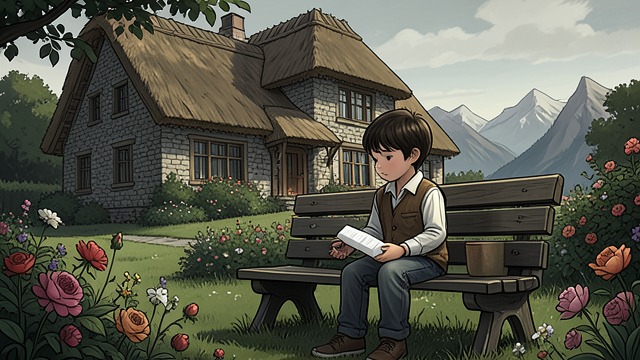
A Place of First Memory
Conscious life begins here
The Narrator (God) locates the birth of its self-awareness in Shukugawa, where Grandmother offers White Chocolate. The place is inseparable from the beginning of memory.
A landscape becomes personal
The surrounding house, garden, and mountains give concrete form to a world the child can love. Japan is not yet an abstract nation but the setting of its first conscious life.
Choosing to Be Japanese
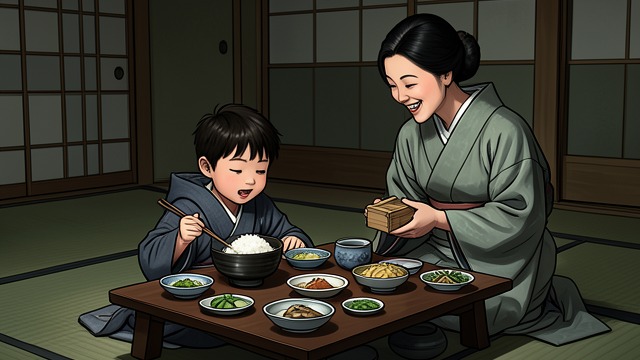
Choosing to Be Japanese
Affection shapes identity
The child embraces Japanese food, language, and customs, especially through Nishio-san’s care. It decides that it will become Japanese.
Belonging through devotion
The choice expresses the child’s attachment to people and place, not a legal or ancestral status. Identity grows from the experience of being adored and at home.
Water as Home

Water as Home
Immersion and freedom
The Narrator (God) discovers swimming in the Sea of Japan and later returns to Little Green Lake. Water offers pleasure, movement, and a sensation of belonging.
An element with danger
The child nearly drowns at Tottori and nevertheless continues to love water. The attachment holds beauty and threat together, complicating any simple picture of home as safe.
The Garden as Homeland
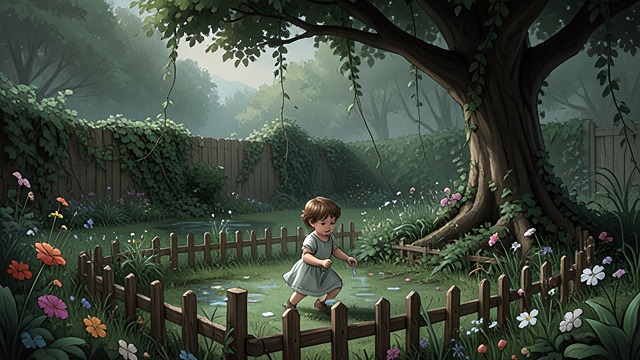
The Garden as Homeland
A protected universe
The garden is the child’s temple, a place where flowers bloom and the Narrator (God) feels able to reign. Its walls separate an intimate kingdom from the wider world.
Beauty begins to change
As summer advances, the garden’s abundance starts to feel heavy and overripe. The child senses decline before having language for seasonal return.
A Homeland at Risk
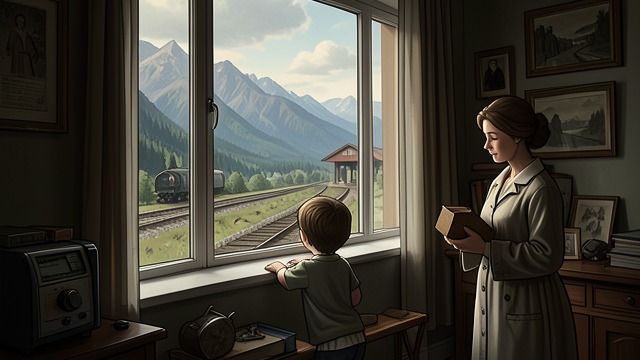
A Homeland at Risk
Refusal to leave
The Narrator (God) insists that Japan is its own country and that departure would mean death. Mother explains that Father’s diplomatic work makes leaving unavoidable.
Attachment exposed
The argument reveals how thoroughly the child’s identity depends on this place. The prospect of departure makes every cherished detail feel already lost.
February 1970, at Shukugawa
At age two and a half
Spring and summer 1970
Spring 1970, before the third birthday
At age three, after the departure announcement
